
Who Should Pay on a First Date: Modern Dating Etiquette
First Date Payment Etiquette: A Modern Perspective
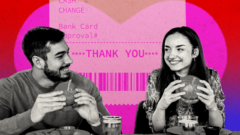
The question of who should pay on a first date remains one of the most debated topics in modern romance. First date payment etiquette continues to spark conversations among single individuals, relationship experts, and dating coaches worldwide. As social norms evolve, perspectives on whether to split the bill, have one person cover the entire cost, or follow traditional gender roles have diversified significantly.
Traditional Views on First Date Financial Responsibility
Many people still adhere to conventional dating customs where the man pays for the entire first date. This approach stems from historical traditions and continues to resonate with numerous individuals who view a man covering the bill as a romantic gesture and a sign of genuine interest. Proponents of this method argue that taking financial responsibility demonstrates commitment, generosity, and respect toward their date.
Those who support traditional payment methods often believe that the person who initiated the date should assume financial responsibility. This perspective suggests that asking someone out inherently comes with the expectation of treating them, establishing a foundation of goodwill and demonstrating that they value the other person's time and company.
The Case for Splitting the Bill
An increasingly popular approach to first date payment involves splitting the bill equally between both parties. Advocates for this method argue that it promotes equality, independence, and fairness in modern relationships. Splitting the bill dating practices reflect contemporary values of gender equality and mutual respect, allowing both individuals to maintain financial autonomy.
Many younger daters embrace this approach as a practical solution that avoids uncomfortable conversations about money while reinforcing that neither person expects to be financially supported. Supporters emphasize that splitting costs demonstrates trust and removes power imbalances that might arise when one person covers all expenses. This method also allows individuals to assess genuine connection without financial obligation clouding judgment.
Mixed Reactions and Personal Preferences
Dating preferences regarding payment arrangements vary considerably based on individual values, cultural backgrounds, and personal experiences. Some people feel genuinely put off when a date suggests splitting expenses, interpreting it as a lack of interest or investment in the relationship. Others view this suggestion as progressive and appreciate a partner who values equality.
The dynamics become more nuanced when considering various scenarios. Some daters prefer a compromise where one person covers dinner while the other handles drinks or dessert. Others suggest alternating who pays on subsequent dates, establishing a pattern of reciprocal generosity. These flexible approaches acknowledge both traditional romantic gestures and contemporary equality principles.
Factors That Influence First Date Romantic Expectations
Several considerations shape how individuals approach the payment question. Income disparities between partners may justify one person paying more comfortably. Age differences sometimes influence expectations, with older daters potentially maintaining more traditional views. Geographic location and cultural context significantly impact dating norms, as some regions emphasize different relationship protocols than others.
The venue choice also matters considerably. Expensive restaurants or upscale entertainment venues might raise different expectations than casual coffee shops or park outings. Additionally, how the date was arranged—whether through dating apps, mutual friends, or organic meetings—can influence payment expectations.
Communication: The Key to Modern Dating Financial Rules
Despite varying opinions, most relationship experts agree that clear communication resolves payment confusion effectively. Discussing financial expectations openly prevents awkward moments and ensures both parties feel comfortable. Some suggest mentioning payment approach casually before the date, while others recommend allowing the situation to unfold naturally.
Observing your date's reactions and comfort level provides valuable information about their values and expectations. If someone insists on paying, graciously accepting demonstrates appreciation. Conversely, if someone suggests splitting, respecting that choice shows maturity and understanding.
Red Flags and Positive Indicators
How someone handles the payment conversation often reveals character traits relevant to potential relationships. Someone who becomes aggressive about payment methods, makes assumptions, or uses financial manipulation raises concerns. Conversely, individuals who approach the topic with humor, flexibility, and respect demonstrate maturity and genuine interest in their date's comfort.
Payment attitudes frequently reflect broader relationship values. A considerate approach to this practical matter often indicates someone who thinks about their partner's feelings and seeks mutually satisfying arrangements.
Conclusion: Finding Your Comfort Zone
Ultimately, first date payment etiquette depends on personal values, cultural background, and individual preferences. There is no universal correct answer. What matters most is mutual respect, honest communication, and ensuring both people feel valued and comfortable. Whether following traditional customs, splitting equally, or finding creative compromises, the focus should remain on genuine connection rather than financial mechanics. Approaching the payment question with flexibility and maturity sets a positive tone for potential future dating experiences.