
Why Critical Tech Infrastructure Faces Heat-Related Vulnerabilities
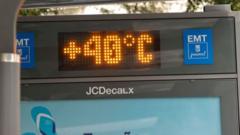
Heat Vulnerable Technology: A Growing Critical Concern
Heat vulnerable technology represents one of the most pressing challenges facing modern infrastructure worldwide. From energy grids that power entire nations to train services that transport millions daily, heat vulnerable technology threatens the backbone of contemporary society. As global temperatures continue to rise, understanding these vulnerabilities becomes increasingly essential for policymakers and infrastructure managers alike.
Energy Grids Under Thermal Stress
Electrical grids form the foundation of modern civilization, yet they remain remarkably susceptible to extreme temperature fluctuations. During peak summer months, power grids experience unprecedented strain as cooling demands surge dramatically. Transformers and distribution equipment, designed with specific thermal operating parameters, begin to deteriorate when exposed to prolonged heat exposure beyond their rated specifications.
The consequences extend far beyond temporary brownouts. Extended heat periods can cause permanent damage to expensive infrastructure components, leading to costly replacements and service interruptions. Utility companies report that heat-related failures account for significant portions of grid outages during summer months, forcing them to implement rolling blackouts to prevent total system collapse.
Railway Systems Vulnerable to Extreme Temperatures
Train services face equally severe challenges when confronting intense heat conditions. Rail infrastructure, particularly tracks and electrical overhead lines, experiences physical expansion when temperatures soar beyond historical norms. This thermal expansion creates operational hazards including track buckling and equipment malfunction.
Modern trains rely on sophisticated electronic control systems that operate within specific temperature ranges. Signaling equipment, brake systems, and communication networks all depend on climate-controlled environments. When ambient temperatures exceed design specifications, these critical systems deteriorate rapidly, forcing service suspensions and increasing accident risks substantially.
Broader Infrastructure Vulnerabilities
Beyond energy and transportation, heat vulnerable technology affects numerous other sectors. Data centers that house essential digital infrastructure require constant cooling to prevent equipment failure and data loss. Telecommunications networks depend on precisely calibrated systems that malfunction under thermal stress. Water treatment facilities struggle to maintain safe operations during extreme heat events.
The interconnected nature of modern infrastructure means that failures in one sector quickly cascade into others, creating compound crises. When electrical grids fail, rail systems cannot operate. When telecommunications networks fail, emergency response coordination becomes impossible.
Climate Change Acceleration
Climate scientists document increasingly frequent and intense heat events worldwide. Historical infrastructure design standards, developed decades ago, no longer account for contemporary temperature extremes. This mismatch between design parameters and current climate realities creates systematic vulnerabilities across all sectors.
Urban heat island effects intensify these challenges in metropolitan areas, where concrete and asphalt absorb and retain solar radiation far more than natural landscapes. Cities often experience temperatures 10-15 degrees Fahrenheit higher than surrounding rural areas, stressing local infrastructure beyond its design capacity.
Solutions and Adaptation Strategies
Infrastructure operators worldwide are implementing comprehensive adaptation measures. Grid upgrades include installation of high-temperature-rated components and improved cooling systems for transformers and substations. Utility companies develop demand management programs that reduce peak-hour consumption during extreme heat episodes.
Railway operators invest in heat-resistant rail materials and improved ventilation systems for tunnels and enclosed stations. Some transit agencies implement reduced speed limits during extreme heat to minimize track stress. Digital monitoring systems now provide real-time temperature tracking, enabling preventive maintenance before critical failures occur.
Long-term solutions require substantial infrastructure investment and planning. Many municipalities modernize aging systems with components rated for projected future climate conditions rather than historical baselines. Smart grid technology enables better load distribution and demand prediction, reducing strain during peak periods.
Looking Forward
The vulnerability of heat sensitive technology demands urgent attention from policymakers, engineers, and industry leaders. Failure to address these challenges adequately risks cascade failures affecting essential services millions depend upon daily. Investment in resilient infrastructure designed for contemporary climate realities represents not optional luxury but essential necessity for societal continuity and public safety in an increasingly warming world.