
Woman Reveals Lucrative Freud Portrait Sessions After £25M Artwork Auction
A Retrospective Look at Freud's Creative Process
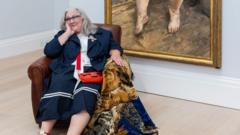
Sue Tilley has opened up about her remarkable experience posing for renowned painter Lucian Freud, following the sale of one of his works for £25 million at auction. This significant transaction has prompted the former model to reflect on her intimate encounters with one of the 20th century's most celebrated artists, offering fascinating insights into the working methods and studio atmosphere that defined Freud's prolific career.
Life Inside the Artist's Workspace
Tilley's recollections paint a vivid picture of what it was like to spend considerable time in Freud's presence during creative sessions. The model describes the legendary artist's working environment as notably informal and unrefined, using the term "scruffy" to characterize the studio space where countless masterpieces took shape. Rather than a pretentious or overly formal artistic setting, Freud's workspace reflected his unconventional approach to both art and life.
Unexpected Details and Studio Treasures
Among the most intriguing aspects of Tilley's account are the unexpected details that emerged from her time at the studio. The environment contained various artistic artifacts and sculptures, including a remarkable Rodin sculpture that served a decidedly practical—if somewhat irreverent—purpose as a doorstop. This anecdote perfectly encapsulates Freud's pragmatic and sometimes irreverent attitude toward the art world and the objects that surrounded him, regardless of their historical significance or market value.
The Social Dimension of Artistic Collaboration
Contrary to popular perceptions of intensive artistic sessions conducted in silence or with minimal interaction, Tilley's recollections reveal a more sociable dimension to her work with Freud. The modeling sessions were punctuated by champagne lunches, suggesting an atmosphere of conviviality and mutual respect between artist and subject. These informal social moments provided breaks from the demanding work of posing and allowed for genuine human connection to develop between Freud and his models, humanizing the often-solitary nature of artistic creation.
The Context of Contemporary Art Valuations
The recent £25 million sale underscores the extraordinary market demand for Freud's paintings and the immense cultural value attributed to his body of work. This transaction represents not merely a financial milestone but a validation of Freud's enduring legacy in contemporary art history. For those like Tilley who participated directly in the creative process, such astronomical valuations serve as remarkable testimony to the significance of their contributions, however tangential they may have seemed at the time.
Preserving Artistic History Through Personal Testimony
Tilley's willingness to discuss her experiences provides invaluable firsthand documentation of Freud's working methods and personality. In an era where digital documentation is commonplace, these personal recollections offer something increasingly rare: authentic human perspective on the creative process of a master artist. Her accounts enrich our understanding of not just the finished works, but the human relationships and daily realities that shaped their creation.
The Legacy of Freud's Artistic Innovation
Lucian Freud's approach to portraiture revolutionized modern art, emphasizing psychological depth and unflinching realism over flattery or idealization. His willingness to spend extended periods working with his subjects—as evidenced by his sessions with Tilley—allowed for a unique intimacy in his paintings. This methodology, combined with his technical mastery, resulted in some of the most compelling portraits in modern artistic history, commanding the substantial valuations reflected in recent auction results.