
Extreme Heat Poses Greater Risk for Adults Over 60
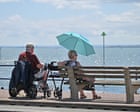
Heat Exposure Affects Seniors More Severely Than Expected
Extreme heat poses significantly greater health risks for people aged 60 and over than scientists previously understood, according to groundbreaking research published in The Lancet Public Health. The study reveals that older adults could experience harmful heat stress at temperatures just 1.5 degrees Celsius above preindustrial levels, a threshold considerably lower than earlier estimates suggested.
This discovery has profound implications for global public health policy, as extreme heat older adults encounter increasingly frequent and prolonged heatwaves. The research indicates that vulnerable senior populations face escalating dangers as planetary temperatures continue their upward trajectory.
Understanding Heat Vulnerability in Aging Populations
Aging fundamentally alters how the human body responds to thermal stress. Older adults possess diminished thermoregulatory capacity, meaning their bodies struggle to dissipate excess heat efficiently. Additionally, many seniors take medications that interfere with the body's natural cooling mechanisms, including diuretics and anticholinergics.
The cardiovascular system, which becomes less efficient with age, must work harder during heat exposure to maintain adequate circulation and blood pressure. This increased strain elevates the risk of heat-related illness, from mild heat exhaustion to life-threatening heat stroke.
Global Warming and Rising Heat-Related Mortality
As global temperatures rise, the frequency, intensity, and duration of heatwaves will increase substantially. The study demonstrates that extreme heat older adults experience will become increasingly dangerous. Currently, thousands of heat-related deaths occur annually worldwide, with seniors comprising a disproportionate share of fatalities.
The research projects that without significant mitigation efforts, heat-attributable mortality among older populations could double or triple by mid-century. Even moderate warming scenarios present considerable public health challenges for aging communities globally.
Regional Vulnerabilities and Climate Patterns
Certain geographic regions face heightened extreme heat risks. Urban areas, particularly those with limited green space and elevated concentrations of heat-absorbing infrastructure, experience significantly higher temperatures than surrounding rural areas. This urban heat island effect amplifies dangers for seniors residing in cities.
Developing nations with limited air-conditioning infrastructure and fewer healthcare resources face particular challenges. Many regions with rapidly aging populations lack adequate climate adaptation measures, leaving elderly citizens dangerously exposed during heatwaves.
Adaptation and Mitigation Strategies
Public health officials must implement comprehensive heat action plans prioritizing vulnerable populations. These strategies include establishing cooling centers accessible to seniors, implementing early warning systems for heat events, and ensuring adequate electricity supply for air-conditioning during peak demand.
Community-based interventions prove effective at reducing heat-related illness. Neighborhood check-in programs, where volunteers regularly contact isolated elderly residents during heatwaves, save lives. Public awareness campaigns educating seniors about heat safety and symptom recognition are equally crucial.
Healthcare System Preparedness
Healthcare systems require enhanced capacity for managing heat-related emergencies among older populations. Emergency departments must be staffed adequately during heat events, and hospital protocols should prioritize elderly patients presenting with heat-related symptoms.
Medical professionals need improved training in recognizing heat stress manifestations, which often differ in older adults. Confusion, falls, and exacerbation of existing conditions frequently mask underlying heat illness in seniors.
Policy Implications for Climate Action
The research underscores the urgency of aggressive climate mitigation. Limiting warming to 1.5 degrees Celsius, as outlined in the Paris Agreement, remains critical for protecting vulnerable populations. Every fraction of a degree of additional warming will proportionally increase health risks for older adults.
Policymakers must integrate health considerations into climate strategy development. Investment in renewable energy transitions, sustainable urban planning, and green infrastructure serves dual purposes: reducing greenhouse gas emissions while creating cooler, healthier communities.
Individual and Family Preparedness
Families with elderly members should develop personalized heat safety plans. These plans should identify accessible cooling locations, establish regular communication protocols during heat events, and document relevant medical information for emergency responders.
Seniors should remain informed about their local heat forecast and community resources. Staying hydrated, limiting outdoor activity during peak heat hours, and wearing light-colored, loose clothing constitute essential protective measures.
The evidence is unequivocal: extreme heat poses severe threats to older populations that demand immediate attention from public health authorities, policymakers, and communities. Understanding these vulnerabilities and implementing comprehensive adaptation measures will determine whether societies can protect their aging citizens as climate change accelerates.