
Indonesia Earthquake: Rescue Operations Search for Survivors
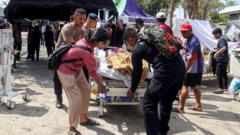
Indonesia Earthquake Triggers Massive Rescue Response
Emergency personnel across Indonesia have mobilized comprehensive rescue operations in the aftermath of a powerful earthquake that has devastated multiple regions. The Indonesia earthquake has prompted one of the largest coordinated search efforts in recent years, with teams working around the clock to locate and extract survivors from the rubble of collapsed structures.
The seismic event has resulted in considerable destruction across affected areas, with preliminary reports indicating that hundreds of buildings have been reduced to ruins. The scale of structural damage has necessitated the deployment of specialized rescue equipment and trained personnel to navigate through debris fields and unstable wreckage.
Casualty Toll and Initial Assessment
Confirmed reports indicate that the earthquake has claimed the lives of 47 individuals, though authorities emphasize that this figure may change as rescue operations continue and damage assessments are completed. Officials are conducting a rapid impact evaluation to determine the full extent of the disaster's consequences on affected communities.
The loss of life has underscored the vulnerability of building infrastructure in the region, particularly in older structures that were not constructed to withstand significant seismic activity. Rescue coordinators have prioritized areas where residential buildings suffered the most severe damage, as these locations are most likely to contain survivors requiring immediate assistance.
Rapid Assessment and Response Coordination
Government agencies and humanitarian organizations have established emergency response centers to oversee the coordinated rescue efforts. A rapid assessment into the earthquake's impact has been initiated to document the damage systematically and allocate resources efficiently to the most affected areas.
This assessment process involves aerial surveys, structural engineers evaluating building safety, and teams cataloging missing persons reports. The information gathered through these rapid evaluations is critical for determining how many rescue teams should be deployed to specific locations and what specialized equipment will be most effective.
Building Destruction and Infrastructure Challenges
The destruction of hundreds of buildings has created significant obstacles for rescue workers attempting to access survivors. Collapsed structures have blocked roads and disrupted utilities, complicating efforts to provide emergency medical care and establish supply lines to affected communities.
Among the damaged infrastructure are hospitals, schools, and government facilities, which has further strained the region's ability to respond effectively to the disaster. Water and electricity services have been interrupted in many areas, adding to the humanitarian challenges faced by both survivors and rescue teams.
International Support and Resources
As the Indonesia earthquake recovery intensifies, neighboring countries and international organizations have offered assistance. Additional rescue equipment, medical personnel, and search dogs have been requested to augment local capabilities and improve the chances of locating survivors in the coming critical hours.
The rapid mobilization of resources reflects the severe nature of the earthquake and the urgency of the situation. Rescue operations are expected to continue for several weeks as teams work to recover remaining victims and clear debris from affected areas.
Looking Forward: Recovery and Reconstruction
Beyond the immediate rescue phase, officials are already beginning to consider long-term recovery and reconstruction needs. The destruction of hundreds of buildings will require extensive planning and resources to restore affected communities to their previous conditions.
The Indonesia earthquake serves as a stark reminder of the need for improved building codes and disaster preparedness measures in seismically active regions. As rescue operations conclude, attention will shift toward preventing similar losses in future seismic events through enhanced infrastructure standards and public education initiatives.