
Jimothy the Raccoon: How a Seattle Viral Video Sparked Global Internet Frenzy
The Unexpected Rise of a Furry Internet Icon
Jimothy the raccoon has emerged as one of the most captivating animal sensations to dominate social media platforms in recent months. What began as a simple video post has evolved into a worldwide phenomenon that continues to engage millions of viewers across various digital channels. This remarkable journey of how Jimothy the raccoon transformed from an unknown urban creature into a globally recognized icon reveals the unpredictable nature of internet virality and the universal appeal of wildlife content.
The Seattle Connection and the Original Video
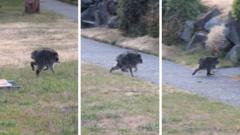
The story of Jimothy the raccoon originates in Seattle, Washington, where content creator Kiana Hall captured footage that would eventually captivate audiences worldwide. Hall initially shared the video through Instagram, not anticipating the massive response it would generate. This Seattle resident's genuine documentation of the raccoon's behavior demonstrated authentic interaction with wildlife rather than staged or manipulated content, which resonated strongly with online communities.
The original video showcased natural raccoon behavior in an urban setting, a context that many city dwellers find relatable and entertaining. Kiana Hall's decision to share this candid moment on social media inadvertently opened a door to unprecedented viral success. The authenticity of the footage, combined with the raccoon's charming and seemingly personality-filled actions, created content that felt fresh and genuine compared to other animal videos circulating online.
Understanding the Viral Mechanics Behind Jimothy's Success
The explosion in popularity surrounding Jimothy the raccoon can be attributed to several interconnected factors that aligned perfectly for viral content success. First, the timing of the video's release coincided with growing audience appetite for wholesome animal content during periods when people sought positive and uplifting entertainment options. The raccoon's apparent personality and expressive behaviors made the footage inherently shareable among networks of friends and family members.
Social media algorithms played a crucial role in amplifying the reach of Jimothy the raccoon content. Instagram's discovery features and cross-platform sharing capabilities enabled the video to escape Seattle's local audience and reach international viewers within days. The hashtag variations created by enthusiastic viewers further accelerated the spread, with the raccoon's name becoming synonymous with quality animal entertainment content.
The Character of Jimothy: Why Audiences Connected
Beyond the technical aspects of virality, Jimothy the raccoon possessed qualities that made viewers emotionally invested in the content. The animal's behaviors appeared endearing and somewhat mischievous, characteristics that audiences found amusing and worthy of repeated viewing. Unlike curated celebrity animal accounts, Jimothy's presence felt spontaneous and genuine, which enhanced the connection between viewers and the content.
The naming of the raccoon also contributed significantly to the phenomenon. The name Jimothy carries a distinctly human quality mixed with whimsy, making the animal feel like a character with genuine personality rather than just another wildlife subject. This humanization, done tastefully by Kiana Hall, transformed the raccoon into someone audiences felt they knew and cared about through digital interaction.
From Local Interest to Global Phenomenon
The journey of Jimothy the raccoon from a Seattle-based video to a globally recognized figure demonstrates the borderless nature of internet culture. Within weeks of the initial post, the raccoon had accumulated millions of views across multiple platforms including TikTok, YouTube, Twitter, and Facebook. International media outlets began covering the story, recognizing it as a newsworthy cultural moment worth examining.
Merchandise and fan communities emerged organically as enthusiasts created tributes, fan art, and paraphernalia celebrating Jimothy the raccoon. Online communities dedicated to the animal sprang up across Reddit, Discord, and specialized forums. Kiana Hall found herself unexpectedly positioned as a celebrity content creator, with followers eager for any new updates or behind-the-scenes information about the raccoon featured in the original video.
The Impact on Wildlife Awareness and Urban Ecology
Beyond entertainment value, the phenomenon surrounding Jimothy the raccoon contributed to broader conversations about urban wildlife and human-animal coexistence. Educational content creators used the raccoon's popularity as a springboard for discussing raccoon behavior, habitat needs, and responsible wildlife interaction in urban environments. The viral moment inadvertently became a vehicle for raising environmental consciousness among younger, digitally native audiences.
Conservation organizations recognized the opportunity presented by Jimothy the raccoon's fame and created educational resources capitalizing on public interest. This unexpected alliance between viral entertainment and wildlife education demonstrated how internet phenomena could serve purposes beyond mere amusement, contributing meaningfully to scientific literacy and environmental advocacy.
Lasting Legacy and Future Implications
The story of Jimothy the raccoon serves as a contemporary case study in digital culture, animal entertainment, and the mechanisms driving viral content. While internet phenomena typically fade quickly, this particular raccoon's impact appears more sustained, suggesting a deeper resonance with audiences. Kiana Hall's original contribution to internet culture continues generating discussion about content creation, animal welfare, and the responsibilities accompanying viral fame.
As new animal content continuously emerges online, Jimothy the raccoon maintains a distinctive place in internet history as an icon that transcended typical viral cycles. The raccoon's legacy indicates evolving preferences among digital audiences toward authentic, genuine content featuring real animals in natural scenarios rather than manufactured or heavily edited presentations.