
Remote Surgery Revolution: Surgeons Control Humanoid Robots in OR
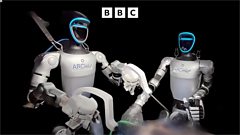
Groundbreaking Achievement in Surgical Robotics
A significant milestone in medical technology has been reached as surgeons have successfully demonstrated the capability to remotely control humanoid robots within an operating theatre environment. This remarkable advancement in remote surgery robots represents a transformative moment for the healthcare industry, opening new possibilities for surgical intervention and patient treatment across geographical boundaries.
How Remote Surgery Robots Work
The operational framework behind these remote surgery robots involves sophisticated telecommunication systems and precision engineering. Surgeons positioned at a remote location transmit their movements in real-time to humanoid robots stationed in the operating theatre. These advanced mechanical systems replicate the surgeon's hand movements with exceptional accuracy, allowing for delicate procedures to be performed without the physician's physical presence at the surgical site.
The integration of haptic feedback technology enables surgeons to receive tactile information, creating an immersive surgical experience despite the physical distance. This bidirectional communication ensures that remote surgery robots respond with precision to every gesture and decision made by the operating surgeon.
Implications for Global Healthcare Access
The successful deployment of remote surgery robots addresses one of modern medicine's greatest challenges: geographic limitations in accessing specialized surgical expertise. Patients in rural or underserved regions can now potentially receive treatment from world-renowned surgeons without requiring costly and time-consuming medical tourism. This democratization of surgical care through remote surgery robots could significantly improve healthcare outcomes for millions worldwide.
Technical Specifications and Capabilities
The humanoid robots utilized in these procedures feature multiple articulated joints that mirror the human arm's range of motion. Each remote surgery robot is equipped with advanced sensory systems capable of detecting pressure variations, temperature changes, and tissue resistance. These capabilities enable surgeons to maintain the same level of tactile awareness they would experience during conventional in-person procedures.
The telecommunications infrastructure supporting these operations utilizes high-speed, low-latency networks to ensure minimal delay between surgeon input and robot response. Even microsecond delays in remote surgery robots can compromise surgical precision, making network reliability absolutely critical to the procedure's success.
Safety Protocols and Redundancy Systems
Implementing remote surgery robots in clinical settings requires comprehensive safety frameworks. Multiple backup systems ensure that if communication is disrupted, the robotic surgical instruments immediately cease operation and lock in place, preventing any unintended movements that could harm the patient. These safeguards represent years of engineering development focused on making remote surgery robots as reliable as traditional surgical approaches.
Medical teams present in the operating theatre maintain full authority to override robotic systems at any moment, providing an additional layer of protection. This hybrid approach combining remote expertise with on-site clinical oversight represents the optimal implementation strategy for remote surgery robots.
Future Directions in Surgical Innovation
The success of these initial demonstrations suggests that remote surgery robots will become increasingly prevalent in hospital settings worldwide. Future iterations promise even greater precision, enhanced sensory capabilities, and improved artificial intelligence systems that could assist surgeons in real-time decision-making during complex procedures.
Research institutions and medical device manufacturers continue refining these technologies, with several clinical trials already underway investigating remote surgery robots for specific surgical specialties including cardiovascular procedures, orthopedic interventions, and delicate neurological operations. As the technology matures and gains regulatory approval across multiple jurisdictions, the adoption of remote surgery robots in mainstream medical practice appears inevitable.
Conclusion
The demonstration of surgeons remotely controlling humanoid robots in operating theatres marks a watershed moment in surgical medicine. Remote surgery robots have transitioned from theoretical concept to functional clinical reality, promising to reshape how surgical care is delivered globally and ensuring that expertise and advanced treatment options become accessible regardless of geographic location.